

Participatory Budgets 2020-2023 in Barcelona
The first participatory budgets in the city, or how to promote democratic transparency and citizen empowerment
Access the Decidim.Barcelona platform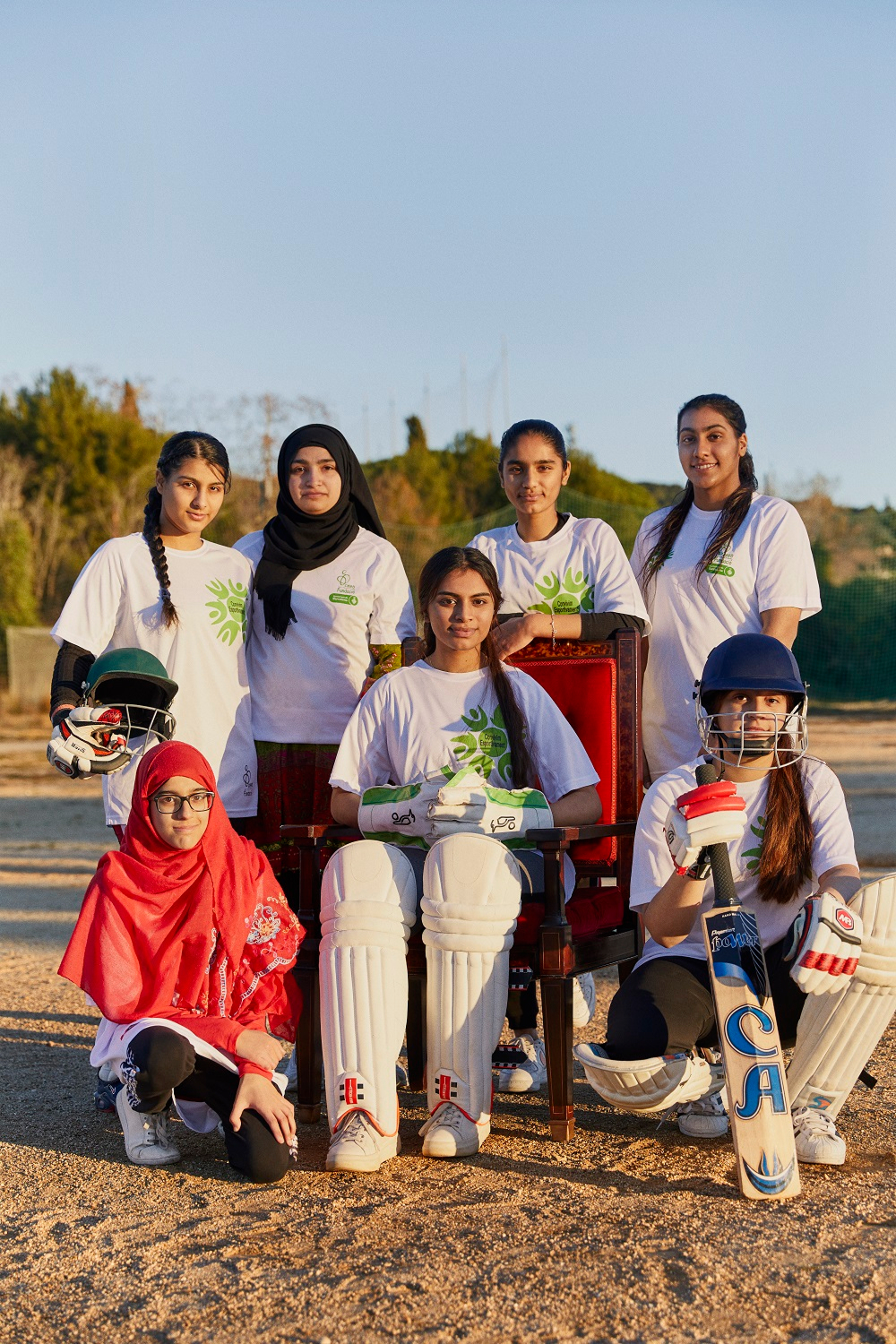
Type of process
Participatory Budgeting
Target public
Barcelona citizens aged 14 years old and over
Components used
- Proposals
- Pages
- Follow-up
- Meetings
- Participatory Budgets
Results
30 Million €
Budget Allocated
1.982
Proposals submitted
823
Technically validated
204
Prioritized
76
Selected for implementation
64.571
Total participants
The pandemic accelerated digitization: most of the 52,601 participants did so online, in contrast to the 11,970 in person.
What you need to know
Is it possible for neighbours to decide which projects they want to promote in their neighbourhoods?
Barcelona’s 2020 participatory budgeting allowed city residents to decide how part of the municipal budget would be spent. The City Council made €30 million available to fund the most voted neighborhood proposals from each district. The goal was to empower citizens in decision-making about the city, fostering direct democracy, transparency, and stronger ties between citizens and the institution.
The process began before the pandemic, but the health crisis presented an additional challenge, requiring adaptation to restrictions while also encouraging online interaction between residents and the government, further promoting citizen empowerment.
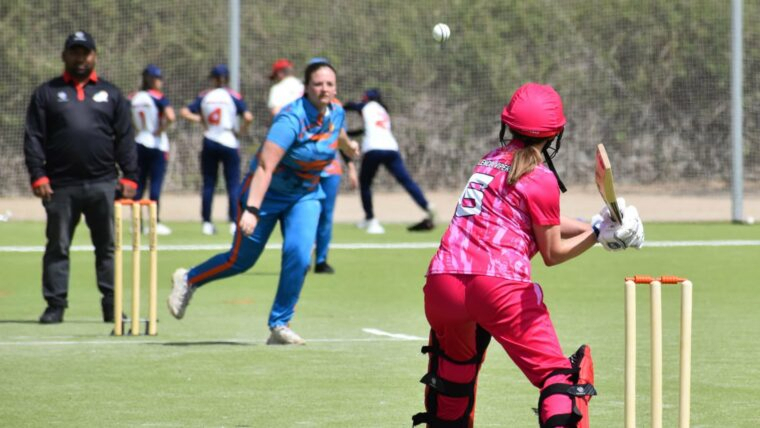
Some of the most popular proposals that were implemented included calming streets with green spaces designed for pedestrians in different neighborhoods across the city. Another success story was the renovation of the Campany sports field, where the infrastructure of Barcelona’s only cricket ground was improved thanks to a proposal put forward by a group of young women passionate about the sport.
Participatory process design
The phases were structured into a process that lasted about a year and a half, activating different components and functionalities of Decidim at each stage:
Debate and proposal submission (1.982 proposals)
Citizens submitted investment projects for their local areas, specifying the necessary budget in each case.
Components:
-
- Pages: The initial phase used the Pages component to centralize all relevant information, including the process guidelines, technical criteria, district budgets, the timeline, and support channels.
-
- Proposals: The Proposals component allowed participants to create and publish proposals with a title, description, location, and estimated budget. Comments were also enabled so that other users could contribute and collectively improve the proposals, encouraging open debate and co-creation.
-
- Meetings: During the first phase, the Meetings component was used to announce support points and debate/co-creation sessions across the city’s neighborhoods.
1
Debate and proposal submission
(1.982 proposals)
Citizens submitted investment projects for their local areas, specifying the necessary budget in each case.
Components:
-
- Pages: The initial phase used the Pages component to centralize all relevant information, including the process guidelines, technical criteria, district budgets, the timeline, and support channels.
-
- Proposals: The Proposals component allowed participants to create and publish proposals with a title, description, location, and estimated budget. Comments were also enabled so that other users could contribute and collectively improve the proposals, encouraging open debate and co-creation.
-
- Meetings: During the first phase, the Meetings component was used to announce support points and debate/co-creation sessions across the city’s neighborhoods.
Technical evaluation to verify feasibility (823 viable projects)
A municipal technical team reviewed the legal, technical, and economic feasibility of each proposal, in line with the participatory process regulations that defined the rules of participation.
Components:
-
- Proposals: In this phase, the same Proposals component was managed by the administration to label each proposal as either “Accepted” or “Rejected,” with a public justification. The work carried out by the City Council team—responding to each proposal one by one—made it possible to understand the reasons for the feasibility or rejection of each project.
2
Technical evaluation to verify feasibility
(823 viable projects)
A municipal technical team reviewed the legal, technical, and economic feasibility of each proposal, in line with the participatory process regulations that defined the rules of participation.
Components:
-
- Proposals: In this phase, the same Proposals component was managed by the administration to label each proposal as either “Accepted” or “Rejected,” with a public justification. The work carried out by the City Council team—responding to each proposal one by one—made it possible to understand the reasons for the feasibility or rejection of each project.
Collection of supports and project prioritization (204 projects prioritized)
Citizens gave their support to the validated proposals they considered most important.
Components:
-
- Proposals: The accepted proposals were exported to a new Proposals component, where the support feature was activated for prioritization. Each participant could support up to 10 projects, with a minimum of 2, to ensure that prioritization was fair and representative. Out of the initial 823 proposals, 204 were prioritized.
3
Collection of supports and project prioritization
(204 projects prioritized)
Citizens gave their support to the validated proposals they considered most important.
Components:
-
- Proposals: The accepted proposals were exported to a new Proposals component, where the support feature was activated for prioritization. Each participant could support up to 10 projects, with a minimum of 2, to ensure that prioritization was fair and representative. Out of the initial 823 proposals, 204 were prioritized.
Specification with municipal technicians (refinement)
The prioritized proposals were developed into detailed projects with a defined budget.
Components:
-
- Meetings: Both in-person and online workshops were organized, where proposal authors and City Council technical staff finalized the project details, including costs and other technical specifications.
4
Specification with municipal technicians
(refinement)
The prioritized proposals were developed into detailed projects with a defined budget.
Components:
-
- Meetings: Both in-person and online workshops were organized, where proposal authors and City Council technical staff finalized the project details, including costs and other technical specifications.
Final vote on concrete proposals (76 selected)
Citizens participated in the final vote to decide which projects would be implemented.
Components:
-
- Budgets: The final selection was carried out using the Budgets component, which allowed each participant to choose projects until the budget allocated to their district was exhausted. The interface displayed the remaining budget in real time, encouraging informed decision-making. Citizens could vote in two districts: their own and another of their choice. To guarantee the security of the vote, participants were verified against the municipal census.
-
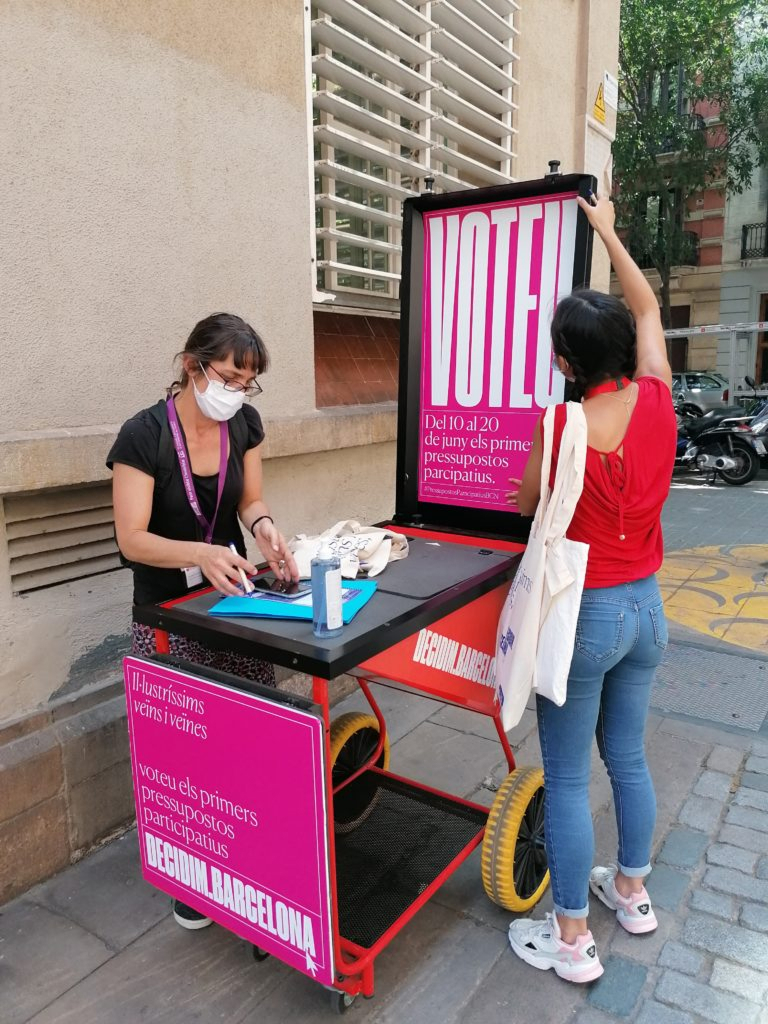
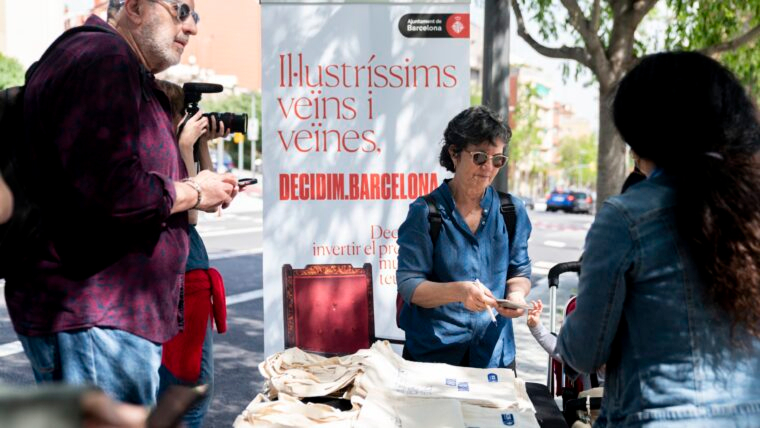
- Meetings: In-person support points were set up for the final vote. At these points, municipal staff assisted citizens who wanted to vote, ensuring that people with difficulties using the platform could still participate without issue.
5
Final vote on concrete proposals
(76 selected)
Citizens participated in the final vote to decide which projects would be implemented.
Components:
-
- Budgets: The final selection was carried out using the Budgets component, which allowed each participant to choose projects until the budget allocated to their district was exhausted. The interface displayed the remaining budget in real time, encouraging informed decision-making. Citizens could vote in two districts: their own and another of their choice. To guarantee the security of the vote, participants were verified against the municipal census.
-
- Meetings: In-person support points were set up for the final vote. At these points, municipal staff assisted citizens who wanted to vote, ensuring that people with difficulties using the platform could still participate without issue.
Communication of results, execution, and monitoring via follow-up committees (2021-2023)
Monitoring and updating the implementation status of the approved projects.
Components:
-
- Follow-ups: Once approved, the projects were transferred to the Monitoring component, which provides an updated status (“In preparation,” “In execution,” “Completed”) and allows periodic updates to be published.
-
- Meetings: Follow-up committees were convened with participation from project proposers and municipal officials to track the execution of the projects.
-
- Surveys: At the end of the process, an evaluation survey was sent to all participants
6
Communication of results, execution, and monitoring via follow-up committees
(2021-2023)
Monitoring and updating the implementation status of the approved projects.
Components:
-
- Follow-ups: Once approved, the projects were transferred to the Monitoring component, which provides an updated status (“In preparation,” “In execution,” “Completed”) and allows periodic updates to be published.
-
- Meetings: Follow-up committees were convened with participation from project proposers and municipal officials to track the execution of the projects.
-
- Surveys: At the end of the process, an evaluation survey was sent to all participants
This combination of components ensured that the process was transparent, participatory, accessible, and traceable from start to finish.
Applying hybridization:
combining in-person and digital approaches
The process implemented a hybrid model for meetings with citizens, neighbourhood councils, and various debate, information, and entity sessions. This approach facilitated participation and inclusion of all participants and allowed adaptation during the COVID-19 health emergency. The meetings for Barcelona’s Participatory Budgets were open spaces where residents, local organizations, and specific groups such as young people or children could gather to learn about the process, discuss neighbourhood needs, and generate concrete investment proposals. These sessions, facilitated with technical support from the City Council, addressed a wide range of topics, including the improvement of public spaces, green areas, local facilities, accessibility, and youth amenities, always with the goal of identifying investments that could have the greatest impact on people’s daily lives.
Innovations
- In-person support points for voting: During both voting periods, voting was only possible through the Decidim.Barcelona platform. To ensure that all residents of the city could exercise their right to vote—especially older adults and others who might have difficulty accessing a web platform—in-person support points were set up. These were located in municipal facilities, where technical staff assisted residents in completing the voting process on the Decidim platform.
- Participation without registration in the final vote: Barcelona developed an ephemeral participation module, which allowed residents to vote without creating an account. This enabled direct verification and access to the vote. This innovation simplified the voting process, as creating an account could have been an unnecessary obstacle for many residents.
Impact
These participatory budgets are now part of the city’s history and are here to stay. The combination of an open-source platform like Decidim with inclusive methodologies has made it possible to reach diverse groups, improve institutional transparency, and generate a sense of shared responsibility in managing public resources. Beyond the numbers, the most valuable impact has been the real transformation of the territory and the promotion of citizen empowerment. A paradigmatic example is the cricket project led by young women: a group of mostly migrant-origin youth who proposed and secured funding to build the first municipal women’s cricket field in Montjuïc. This project not only created a new sports facility but has also become a symbol of inclusion, visibility, and equal opportunity. Thanks to the participatory process and the tools provided by Decidim, these young women were able to turn a community need into a tangible reality, inspiring other groups to get involved and demonstrating that citizen participation can truly change lives.
Lessons learned
- Pandemic Adaptation
- Allowing participation without registration for one-off actions is necessary.
Partners


This article has been written in collaboration with Barcelona City Council.